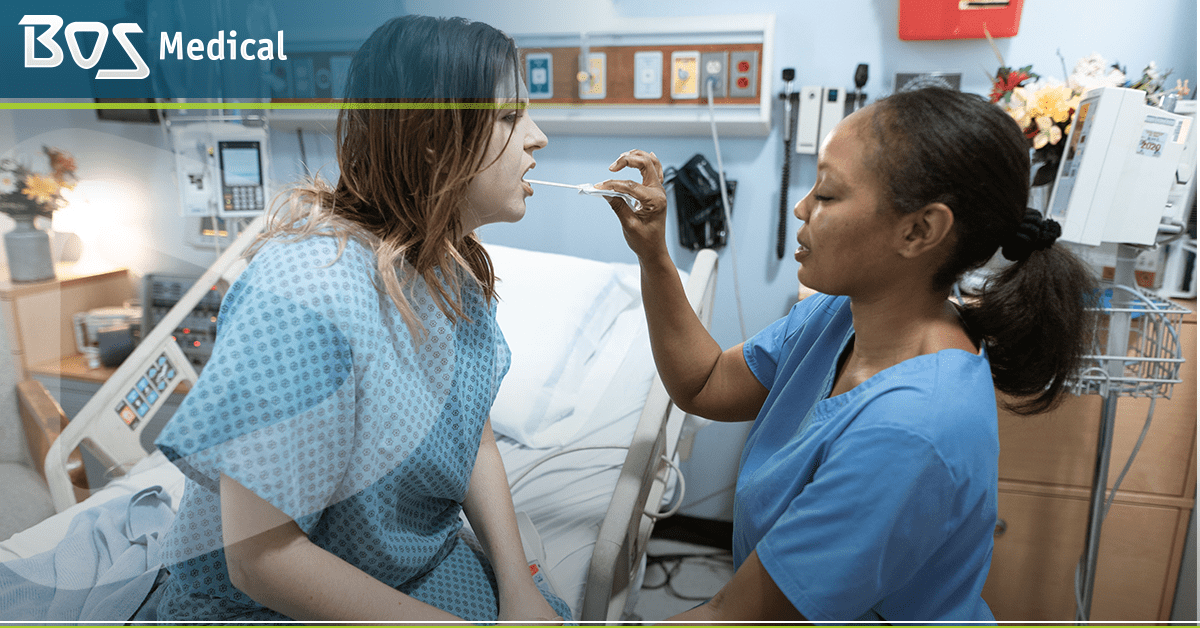
We recognize that CNAs (Certified Nursing Assistants) are the backbone of care in assisted living facilities. After all, the duties of the CNA encompass healthcare and enhanced quality of life for the resident, as well as assisting nurses and the medical team as necessary. The main responsibilities of a CNA in an assisted living facility are:
- Monitoring residents’ health by routinely checking vitals and reporting any changes in physical health and cognition to nurses.
- Helping with activities of daily living, including bathing, hygiene, dressing, grooming, and toileting.
- Assisting mobility in transferring, repositioning, walking, and using a wheelchair or walker.
- Ensuring food and nutrition needs are met by serving meals, helping with feeding, and recording intake of food and fluids.
- Maintaining a healthy environment by ensuring living quarters are clean and safe, and the resident has a supply of necessities such as adult diapers, nutritional shakes, hygiene items such as soap, shampoo, toothbrush, and the like.
- Documenting care and updating charts, care plans, daily interaction, and observation of cognitive abilities.
- Provides emotional support and social interaction by offering companionship, encouraging participation in social activities and events, and supporting the residents and their families.
5 Things Assisted Living Facilities Look For in CNA Candidates
With all of the responsibilities that fall to the CNA in assisted living facilities, it’s no surprise that it takes a special kind of person to carry out these tasks. The essential qualities that make a great CNA are compassion, patience, physical stamina, and an ability to communicate effectively with residents, their families, colleagues, and supervisory staff. Here are five things assisted living facilities look for when interviewing CNA candidates.
1. Attention to Detail
A CNA who is detail-oriented, observant, and highly focused is a top-tier candidate. Some health conditions come on fast and can rapidly take a turn in the senior population. Having a strong ability to pay attention to the details and subtle changes in residents, like a change in appetite, mental clarity, and overall appearance, helps avoid serious complications of health conditions that may appear overnight.
Attention to detail means regularly monitoring vital signs and being aware of changes, noticing changes in physical appearance, mood, appetite, and interest. A detail-oriented CNA follows care plans to the letter and maintains accurate records.
2. Empathy and Compassion
Having the ability to connect with seniors is a sign of a great CNA. This requires a genuine ability to care and empathize with those residents who are facing the challenges of growing older. Mobility may be impacted, chronic illnesses and the care they require may take a toll on your resident, and the emotional overwhelm causes turmoil.
Patience is a cornerstone of empathy and compassion when working in assisted living. Take extra time to listen to your residents and recognize their need for connection. Draw on your compassion to offer reassurance when things are difficult, and respect the dignity of the resident in all areas, especially hygiene and feeding.
3. Communication
Strong and observant communication skills are necessary for CNAs to communicate with residents, their families, healthcare staff, and colleagues. Monitoring your residents and clearly reporting any changes in physical or cognitive condition is essential to their well-being and central to your job as a CNA.
4. Reliability
An assisted living facility, as well as its residents, must rely on their CNAs to follow all care plans, infection control protocols, and safety procedures. Your team of coworkers relies on you to keep things running smoothly, and your ability to adapt to changes makes you highly valued in the workplace. These are non-negotiables and make you a top-tier CNA candidate.
5. Physical Stamina
Much of what you do requires physical strength. Assisting residents with their daily bathing, grooming, dressing, and transfers to and from bed to chair, to meals, and more can deplete your stamina. Make sure you have the physical ability required for such tasks.
Grow in Your CNA Career
BOS Medical Staffing recognizes the unique and essential support CNAs bring to assisted living facilities. We work with you to find the job that best matches your skill set and your goals. Please reach out to BOS Medical Staffing to grow in your career as a CNA.