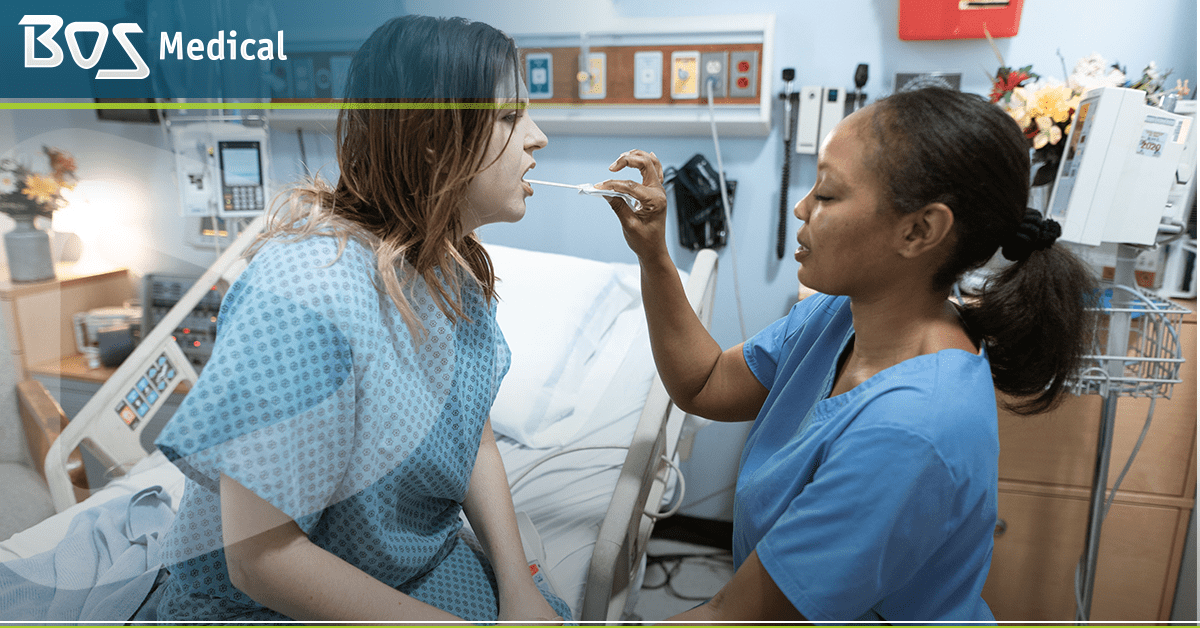
If you’re an RN moving from a hospital environment to a skilled nursing facility, a clinic, or a large medical facility, you may feel a bit like you’re starting from square one. Every healthcare organization has its own way of doing things. And the systems they use, specific protocols, workplace culture, and the overall patient population can be worlds away from your previous job. But that doesn’t mean your confidence should take a hit. Rebuild your confidence in your abilities as you transition to your next role between facility types. Here’s how.
Identify the Differences
When you transition between facility types, the difference between the familiar and unfamiliar environments can throw you off your game. In the beginning, when you’re still learning and becoming oriented to the new facility’s ways of doing things, finding out where supplies are kept and specific protocols, it’s easy to feel overwhelmed. But if you want to build confidence and adapt as quickly as possible, it’s best to identify the real concrete differences and tackle them head on.
Before your first shift, take a look at the true nature of the practice. Does the charting software present a challenge? What’s the nurse-to-patient ratio compared to your previous facility? Is the patient population similar? Review these differences so you can prepare on day one. Knowing and identifying the real challenges, like not knowing the charting system, prevents the general overwhelm that can undermine your confidence as an RN.
It’s Called Orientation for A Reason
Healthcare organizations conduct orientations to introduce you to how things are done in their facility. It’s a great opportunity for you to soak in the information you need to perform your job to the best of your ability. Never use orientation as an opportunity to prove yourself, or you will miss the meat of the matter. Instead, ask the questions, no matter how inconsequential you may think they are. The surest way to showcase your competence is by asking all the questions you have during orientation so you’ll know the answers later on.
Know Your Value
Don’t come in too overconfident and try to remake this facility into a copy of your previous one. It’s a common misstep when transitioning to a new workplace, but avoid doing so at all costs. However, do know your value when it comes to your personal skills. You’re bringing with you the best of all of your experience as an RN. Know that fact makes you a very valuable member of the new team. Take an honest look at your skills as a nurse and name them out loud to yourself. Affirming your worth and knowledge is a great way to boost your confidence when entering a new facility.
Find Your Anchors
Identify one or two coworkers who you can go to with questions without judgment. Having anchors like that in your new workplace does so much to boost your confidence. And those more ‘seasoned’ coworkers don’t necessarily have to be preceptors or management. You can seek out the advice of a nurse whose tenure is a bit longer and who is acclimated to the facility. If they don’t know the answer, they’ll be able to point you in the right direction. Those anchors are your safety net.
Small Wins Add Up
Building confidence takes evidence and not simply affirmations. Knowing your value as an RN comes from small wins like identifying a patient issue early on, having a rapport with patients and their family members, and leaving a shift with a sense of accomplishment instead of overwhelm. Even simply hearing a heartfelt “thank you” can boost your self-assurance and give you the boost you need to continue in confidence.
You Can Transition in Confidence
Transitioning between facility types tests your ability to pivot and become an integral part of that organization’s workplace. Nurses who realize the differences and trust in their own skills and experience are much more resilient and find their footing much faster than those who remain overwhelmed. You’ll learn new skills and become a better and more versatile nurse in the long run.
For more ways to transition and find your niche, please reach out to BOS Medical Staffing today.