Are you considering a career in healthcare? Do you think a position as an occupational health nurse could be right for you? Here’s an overview of a day in the life of an occupational health nurse.
What Is an Occupational Health Nurse?
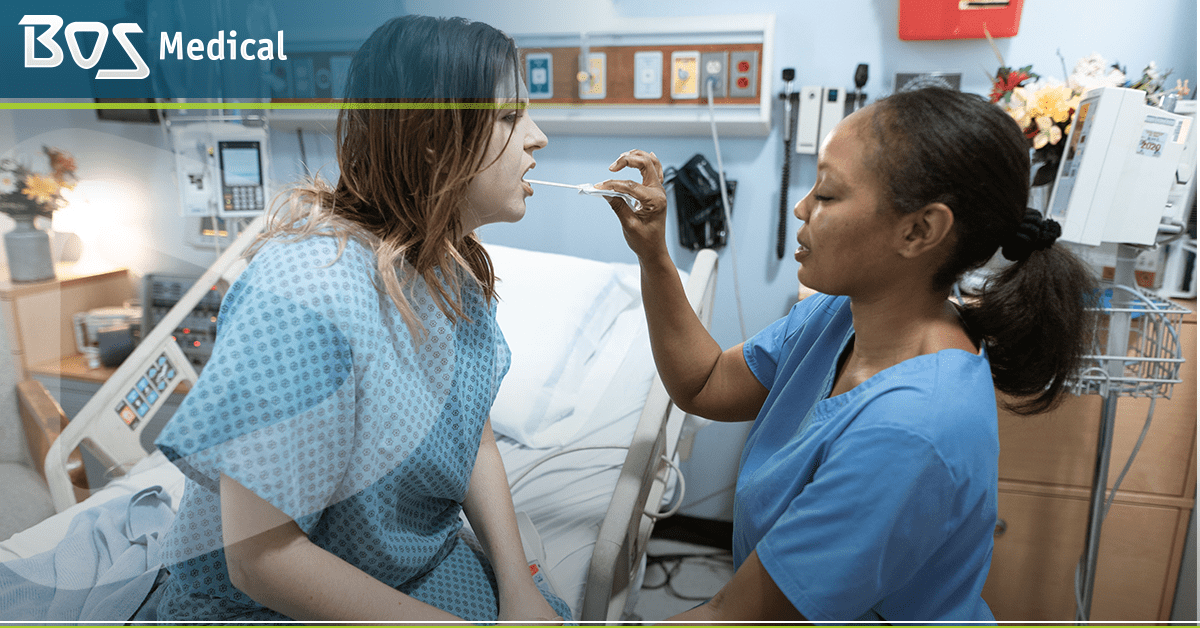
Occupational health nurses (OHNs) deliver health and safety initiatives to businesses, workers, and community groups. Although occupational health nurses do treat patients, their primary focus is on preventative measures. They develop programs to keep people safer and healthier.
Where Do They Work?
Many mid to large-size businesses employ an occupational health nurse or nurses to oversee their health and safety programs. Manufacturing organizations also use OHNs to reduce the risk of on-the-job injuries and environmental hazards. Additionally, these professionals may work for hospitals, medical facilities, insurance companies, educational institutions, the military, or the government.
What Does a Day in the Life of an Occupational Health Nurse Involve?
These healthcare professionals fill a variety of roles depending upon the industry and the size of the organization for which they work. For example, consider an OHN who coordinates outreach for an insurance company versus one who manages safety at a factory. Despite these differences, duties usually fall into six categories.
Directing
- Coordinating an interdisciplinary health care approach between organizations and individuals
- Advocating for prevention-oriented, cost-effective health and safety programs
Managing
- Identifying and tracking work and/or community-related health concerns
- Handling claims for worker’s compensation, Family Medical Leave Act (FMLA) and short-term/long-term disability benefits
Educating
- Designing and presenting health and wellness seminars and training
- Promoting the effective use of medical services
Treating/Counseling
- Supervising the care of ill and injured workers
- Monitoring the health of workers/community members
- Running programs to support healthier living such as smoking cessation and stress reduction
Researching
- Gathering and analyzing health data to determine the effectiveness of programs
- Identifying, monitoring, and evaluating potential workplace hazards
- Documenting on-the-job injuries and the impact of workplace exposures
Consulting
- Advising employers on the correct implementation of laws and regulations including the Occupational Safety and Health Administration (OSHA) and Health Insurance Portability and Accountability Act (HIPAA)
- Suggesting preventive measures to reduce workplace accidents
- Creating action plans for potential crises like natural disasters and pandemics
What Are Typical Hours?
OHNs tend to work when businesses are open. This gives them a more traditional 9 to 5 schedule as compared to other types of nurses. Nevertheless, these hours sometimes vary. For instance, they may need to run training sessions during early mornings, evenings or even weekends.
Are You Looking for More Career Advice?
BOS Staffing offers numerous “Day in the Life” articles. You can learn more about becoming an Assisted Living Nurse, a Hospital Nurse, a Long-Term Care Nurse, and more. And if you’re searching for a job, we’ll help with that too. Our recruiters place RNs, LPNs, and CNAs with businesses and medical facilities in Athens, Georgia, and beyond. Browse all our available openings and discover your next opportunity today!