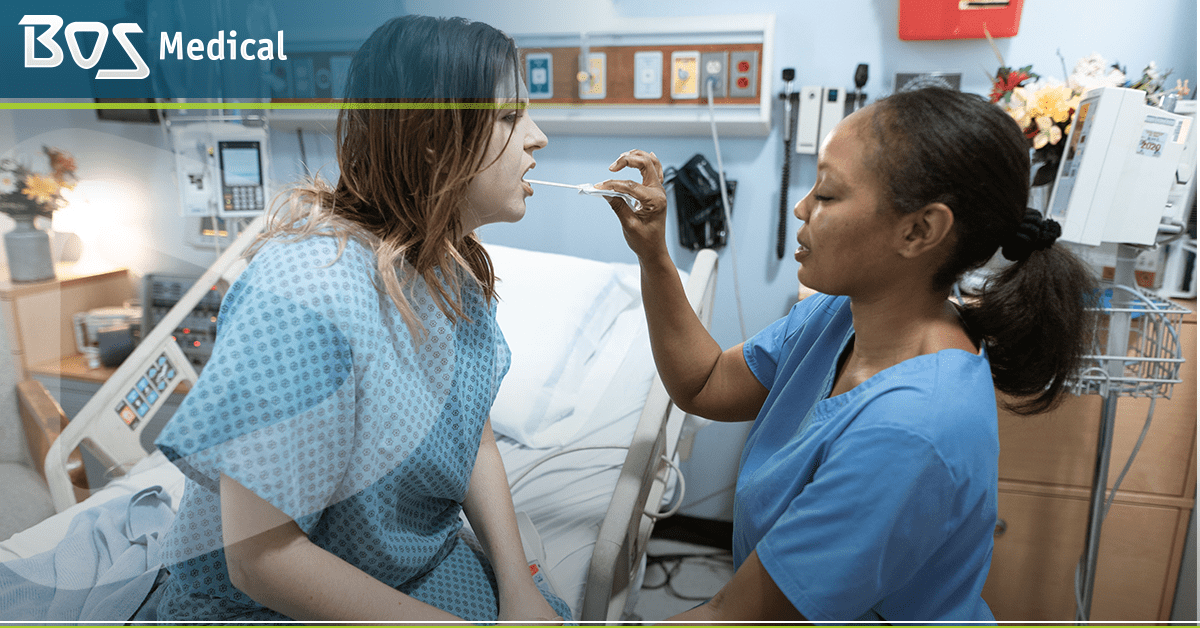
In any medical setting, the ability of nurses to effectively read patients’ body language can greatly improve communication and care outcomes. Understanding body language otherwise referred to as nonverbal communication, is a powerful way to interpret how your patients may be feeling. Here are some tips for how to read your patients’ nonverbal cues so you can provide better quality care:
Make eye contact.
Making eye contact with patients is the first step to gauging their feelings and establishing a more meaningful exchange of information. By looking at a patient directly (rather than gazing at your clipboard or computer), you’ll be able to better assess how they’re feeling during the visit while demonstrating they have your full, undivided attention. This is especially important for patients who don’t feel they’re being heard about their concerns.
Observe reactions.
During visits, patients often experience a variety of emotions and feelings – especially when confronted with information about their medical status. Carefully observing a patient’s facial expressions and hand gestures (such as fidgeting) will allow you to shift the conversation, so the patient feels more at ease. For example, a patient who’s exhibiting nervousness or confusion may need to have information about their medical results clarified. Taking a step back upon observing patients’ reactions can put things in perspective and allow you to provide the best feedback at that moment.
Don’t talk too fast.
While you may be focused on getting your point across during patient visits, talking too quickly can lead to patients feeling overwhelmed and confused about their medical conditions or treatment plan. A major part of reading patients’ body language involves taking the time to listen to their concerns and fully address questions without rushing them out the door. A clear and comprehensive conversation with the patient will ensure they understand their diagnosis, course of treatment, and prognosis.
Remember, being able to identify cues and appropriately act on them is essential for building trust among patients. If you’re ready to make a difference in the lives of patients, get in touch with BOS Medical and discover exciting nursing opportunities!