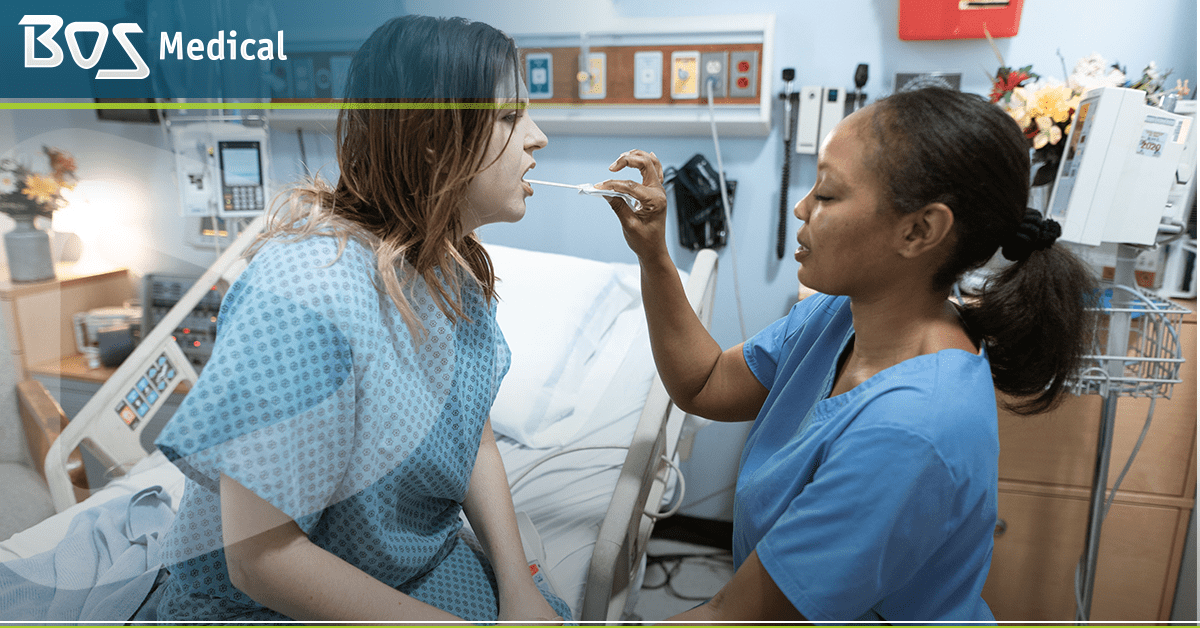

Nurses who work in corrections facilities deal with a much different set of circumstances than most of their peers. Due to the environment in which they work, they face a level of threat to their physical safety, and that takes a toll on their emotional well-being and job satisfaction. The corrections facility itself is focused on security instead of healing, often with limited staff, and the constant undertone of unpredictable behavior on the part of the inmates.
Turnover for healthcare professionals in corrections facilities is high, as you may imagine. Concerns about personal safety and emotional burnout from working in such a high-stress environment cause most nurses to head for the door after a very short tenure. But there are steps correctional facilities can take to improve nurse safety and job satisfaction and to hold on to their essential nursing staff.
Firm Up Your Safety Protocols
The safety of your essential workers is a priority in corrections facilities. If someone feels their workplace poses a threat to their physical safety, retaining those staff members is impossible, and rightly so. Reliable communication through handheld devices, panic buttons, and alarms should be standard equipment in good working order-always.
Nurses should never be in isolated areas or performing exams alone. Security staff should always be present. Corrections facilities should ensure medical exam areas are always in view of security and in proximity to correctional officers.
Offer De-escalation and Self-Defense Training
Nurses aren’t trained in the specifics of working in an environment that may pose a risk to their physical safety. That’s why corrections facilities must provide ongoing training in de-escalation techniques and self-defense. Your nursing staff must recognize warning signs and understand responses that protect their personal safety. Learning how to de-escalate a threatening situation may just save a life. Ideally, your nurses should learn alongside your correctional officers so they can understand how a shared response works to minimize potential threats.
Improve Your Staffing Ratios
Understaffed corrections facilities contribute to an unsafe environment. When there aren’t enough nurses, the interactions tend to be rushed, and de-escalation may be overlooked. Additionally, mandatory overtime to cover short staffing contributes to burnout in an already stressful environment and can throw your corrections facility into crisis.
Balance your nurse-to-patient/inmate ratio by reviewing comparable facilities. Consider scheduling shifts so as not to overwhelm your nurses. Schedules that offer predictability, reasonable breaks, emergency back-up, and focus on nurses’ safety reduce both physical risks and emotional stress.
Address Your Nurses’ Emotional Wellness as Well as Physical Safety
Nurses working in corrections facilities address situations that their peers in other healthcare environments never witness. Self-harm, physical abuse, violence, and manipulation occur regularly in correctional facilities. These events take a toll on your nurses’ emotional well-being.
Your facility should offer the opportunity for confidential counseling, peer-support groups, and post-incident debriefings so your nurses don’t feel as though they are left on their own to process the event.
Opportunities to Build Collaboration Between Nurses and Security Staff
Unfortunately, a lot of incidents involving both nurse safety and job satisfaction stem from miscommunications and misunderstandings between nurses and correctional staff, not just inmates. By bringing these two sides together in incident debriefings, facility meetings, and training exercises, you can begin building a rapport between them. Once they understand each other’s stresses and responsibilities, there’s an opportunity to build trust, which leads to dependable backup and responsible responses on both sides.
Respect Their Risks
Nurses in these high-risk environments must be secure in the knowledge that reporting assaults, threats, and near-misses will be investigated and policy changes will be the outcome. Otherwise, it’s merely paperwork. If you want your nurses to stay and feel protected, here are some ideas:
- Offer anonymous reporting
- Ability to track incident reports
- Transparent outcomes
- Visible responses
- And alert your staff to trends, such as recurring risks tied to a specific unit or shift.
Compensate for Risks
Finally, make sure your corrections facility offers competitive and appropriate compensation. Your nurses’ paycheck should reflect the risk and skill demands they face in the workplace. Meaningful benefits outside of pay, like recognition, a path to career development, and considering their input regarding schedules and caseloads, demonstrate that corrections facilities place value on their nursing staff.
If you need nurses experienced in corrections facilities, please reach out to BOS Medical Staffing today.