Beginning your career as a new CNA in a skilled nursing facility is exciting and nerve-wracking at the same time. You carry the clinical skills with you, but, as with anything new, you may feel overwhelmed by your lack of experience.
While no classroom can prepare you for your first few shifts in this fast-paced environment, we can offer you some insight. Knowing what to expect during your first month in a skilled nursing facility helps you relax a little and proceed with confidence.
What to Expect During Week One
Typically, your skilled nursing facility starts you out with an orientation schedule. This process familiarizes you with the facility’s policies and procedures, safety protocols, and electronic charting system. You’ll learn the layout of the facility and be given a tour of your new workplace.
You can expect to be introduced to staff and to review emergency protocols. Most skilled nursing facilities assign you to an experienced team member so you can shadow them for the first month. Learning names, room numbers, and resident care plans can certainly overwhelm new CNAs. But don’t worry. Your colleagues understand, as they’ve all been there. Take notes, ask questions, and don’t feel like you need to memorize everything your first week.
Weeks Two and Three are For Hands-On, Supervised Learning
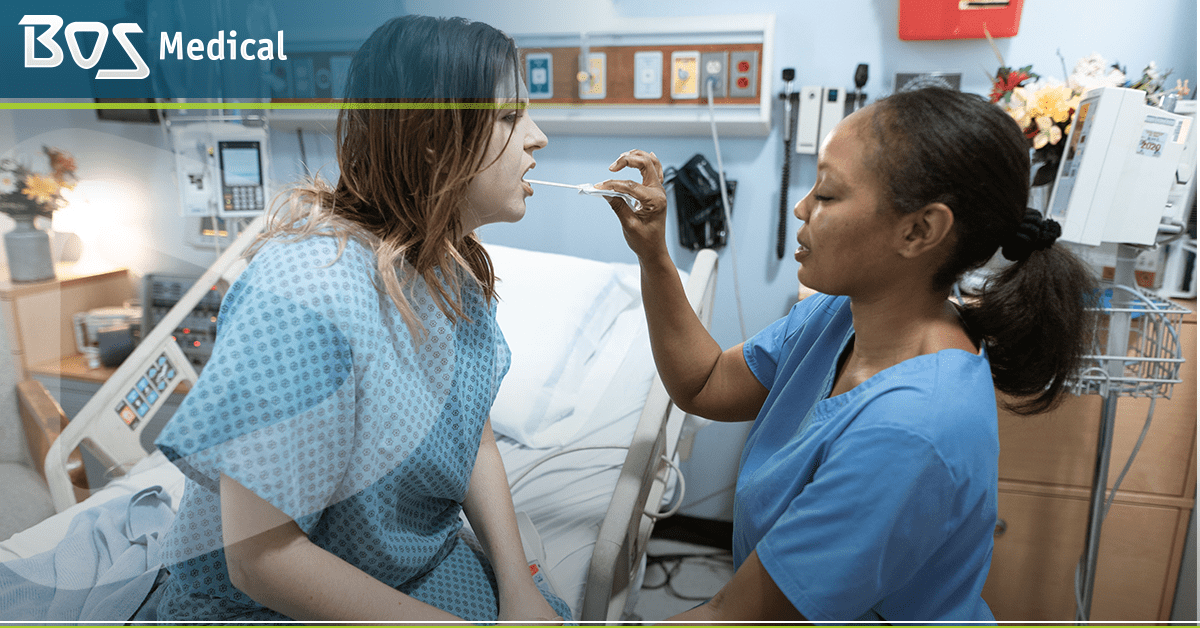
By week two, you’ll be partnered with a preceptor or supervisory mentor who is a CNA and will work with you directly. This is the time you’ll call on your clinical knowledge while learning the real-life ins and outs of your new workplace. Here are the tasks you can expect during weeks two and three:
- Learning how to safely transfer and reposition residents.
- Assisting with toileting, bathing, dressing, and daily hygiene practices.
- Taking and documenting vital signs.
- Helping residents with their meals. Feeding residents with swallowing precautions.
- Communicating any changes in residents’ condition to nurses.
It’s normal to feel as though you’re working at a snail’s pace the first few weeks, especially when you compare yourself to the more experienced and seasoned staff members. But remember, what seems difficult for you is muscle memory for your colleagues that has been learned over the course of many shifts.
The Physical and Emotional Toll of Weeks Two and Three
CNAs often report these two weeks as the most difficult. You’re on your feet for eight- to 12-hour shifts, forming emotional connections with residents who may need end-of-life care or suffer from chronic pain, and still learning the ropes. You may encounter patients who are combative or suffer cognitive and behavioral issues. Expect to feel frustration, grief, and compassion fatigue along with backaches, sore feet, and flat-out exhaustion.
But don’t give up! You’re on your way now! Practice self-care, meet with friends on your days off, exercise, and, if you’re comfortable, discuss your feelings with a coworker. They’ve been where you are now and can offer some pretty solid advice. If necessary, seek out these resources to get back on track.
By Week Four: Your Confidence Begins to Soar
As you enter week four, things begin to settle. You’re more confident in your clinical skills as you’ve been allowed to practice them in real time. You’re getting to know your assigned residents’ routines and quirks and meeting their families. You provide care without constantly needing to check your notes. As time management improves, what once took hours takes up much less of your shift.
As you near the end of your first month, you’ll get more comfortable with your colleagues and speaking up to nurses about condition changes. You’ve gotten to know your patients and have no problem advocating for them. You’re becoming a top-tier CNA and getting better every day.
A Rewarding and Wonderful Career
The first month in a skilled nursing facility is when you build your foundational confidence and competence. Most CNAs regard the first month as the most difficult of their career, but also the most formative.
If you’re interested in a career as a CNA, please contact BOS Medical Staffing today. A rewarding and wonderful career waiting for you.